 Patrick Heimburger
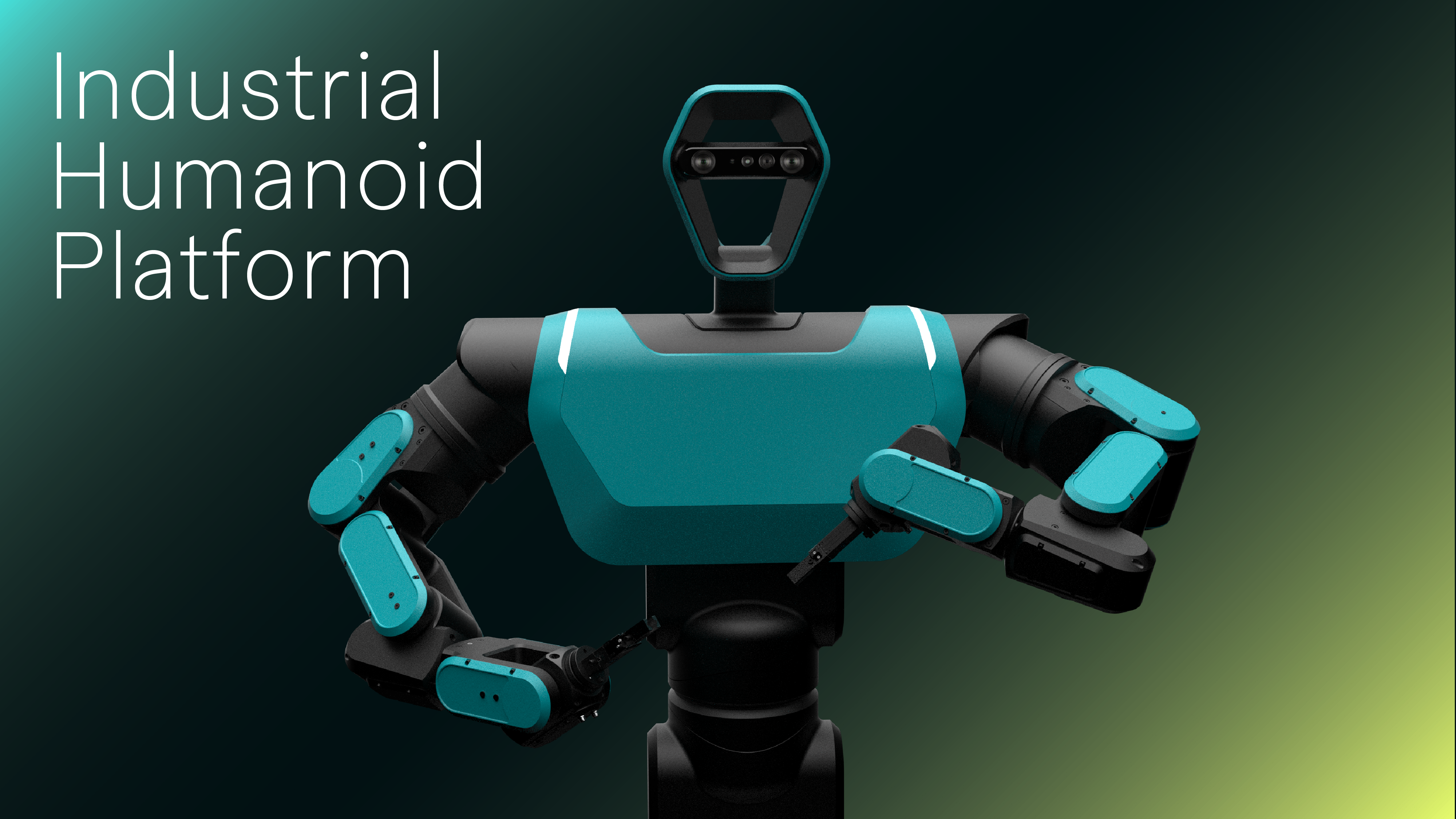
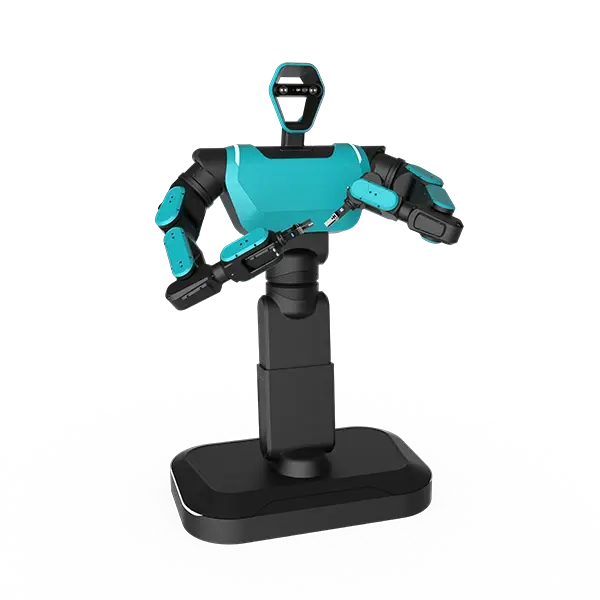
Konstanz, May 5, 2026 – With PLEXA One, fruitcore robotics is introducing an industrial humanoid for real-world production environments. While much of humanoid robotics is still dominated by prototypes, demonstrators, and visions of the future, PLEXA One will be available in its first configurations for industrial applications later this year. This is based on fruitcore robotics’ proven industrial robotics technology, designed for applications where precision, robustness, and cost-effectiveness are critical. Complemented by the intelligence layer PLEXA Core 2.0, in which specialized AI agents work together, PLEXA One enables flexible, adaptive, and cross-process automation even with changing requirements. “General-purpose humanoids will change the world one day. We are changing it today for industrial applications. For us, PLEXA is not merely a promise for the future, but a platform that is already paving the way for flexible and intelligent automation in industry today,” says Jens Riegger, CEO of fruitcore robotics.
The current trend in humanoid robotics highlights the growing need for robots with human-like dexterity and the ability to perform a variety of tasks. In the industrial reality, most humanoid concepts still fail today due to a lack of performance, robustness, and reliability, as well as excessively high acquisition and operating costs. PLEXA One specifically addresses these challenges and combines industrial performance and robust technology designed for continuous operation with the flexibility and mobility of humanoid systems.
Configurable and flexible: The Industrial Humanoid Platform
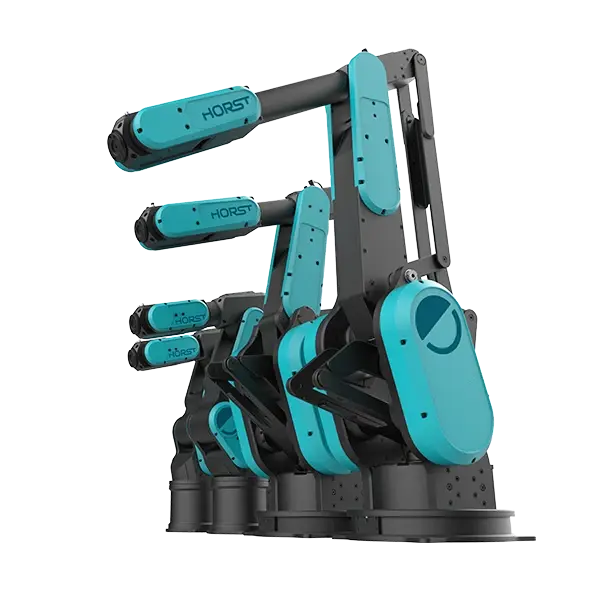
The foundation of PLEXA One is the Industrial Humanoid Platform from fruitcore robotics. It is based on a family of industrial robots with reach ranges from 550 to 1,150 mm and payloads of up to 7 kg per robot arm. This allows the system to be flexibly adapted to different requirements: from single-arm to dual-arm configurations with up to 16 axes, stationary or mobile, each with gripping systems and, optionally, with force-torque sensors and vision.
Technically, the platform is built on proven industrial hardware. It utilizes the latest industrial robot technology from fruitcore robotics in the form of the HORST600 G2 and HORST800 G2 models, which offer a repeatability of ±0.05 mm, protection ratings up to IP65, and ISO Class 6 cleanroom compatibility. They are designed for a service life of up to ten years in three-shift operation. fruitcore provides a six-year warranty on the drive train.
“Customers aren’t getting a research prototype, but an industrial humanoid based on proven industrial components - built on more than ten years of experience in industrial robotics and over 1,300 installed robot systems. That’s the difference between a demo and a robust solution that pays off economically,” says Patrick Heimburger, CEO of fruitcore robotics.
Applications and Cost-Effectiveness
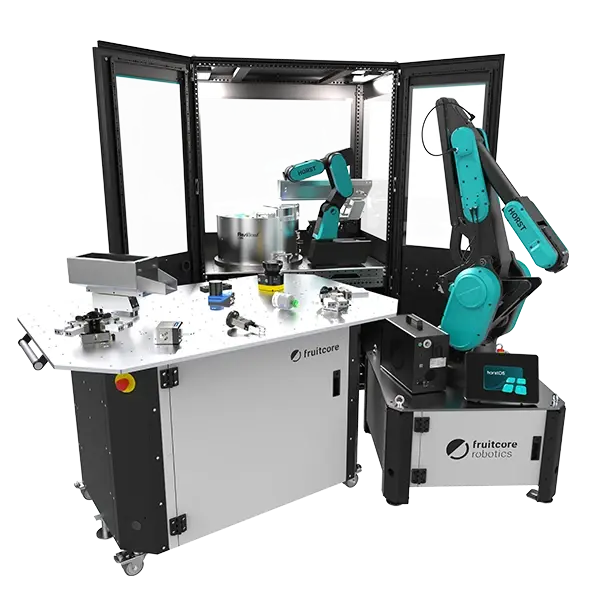
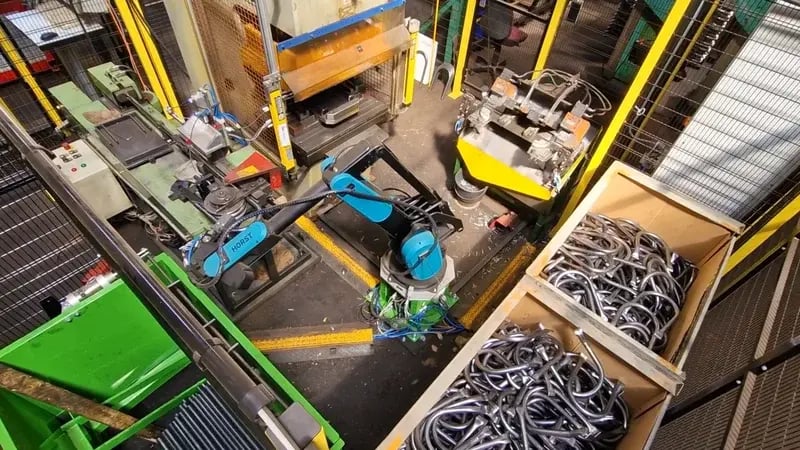
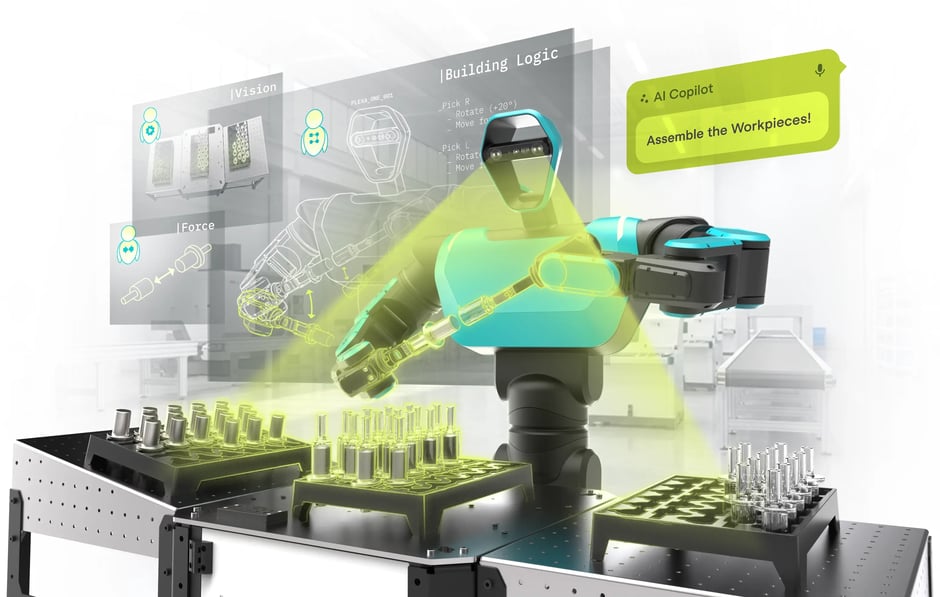
PLEXA One handles tasks where traditional robot systems currently reach their limits due to a lack of flexibility, dexterity, or mobility. PLEXA One is used wherever a wide variety of components must be handled, multiple different process steps need to be linked together, or complex tasks require a high degree of dexterity. Applications with this requirement profile can be found in numerous sectors: from machine tending in mechanical engineering with different components, to the assembly of subassemblies in electronics manufacturing, to the picking of components from different warehouses in logistics - the industrial humanoid is designed precisely for these tasks.
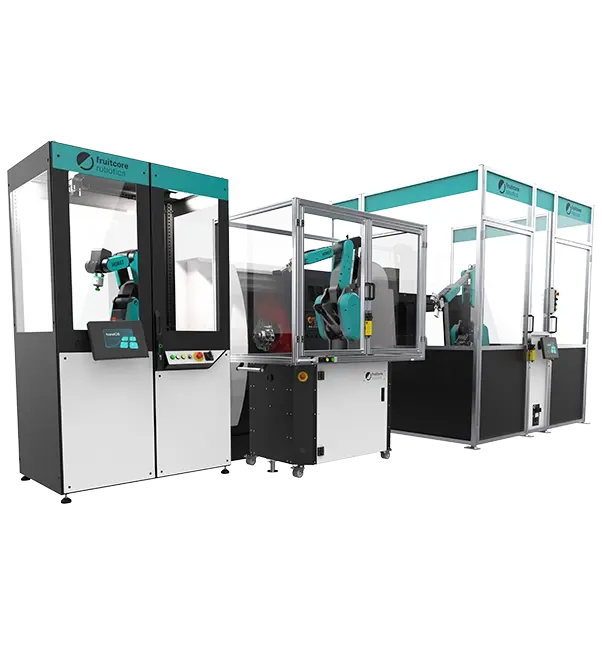
PLEXA One enables cost-effective automation for applications that are difficult or costly to implement with traditional, rigidly designed solutions. Instead of months-long engineering phases, the system is quickly configured and commissioned using standardized modules. Already today, fruitcore robotics demonstrates with its modular automation solutions that project costs can be reduced to about half compared to conventional automation solutions - with payback periods of around six months. PLEXA One takes this principle to a new level and makes it applicable to flexible, highly variable, and complex processes as well. This makes automation attractive even for applications that were previously considered too variable or too complex.
From Copilot to Intelligence Architecture: Years of AI Development
The AI development behind PLEXA One and its intelligence layer, PLEXA Core 2.0, began as early as 2023 with the development of the first AI copilot in industrial robotics software: natural language as a new interaction layer, directly integrated with robot software and control systems.
This approach was first publicly demonstrated at automatica 2023: Using the “AI Painter,” fruitcore robotics translated voice commands directly into real-world robot movements. Combined with image generation and image understanding, this marked an early step toward AI that not only assists but also takes active action.
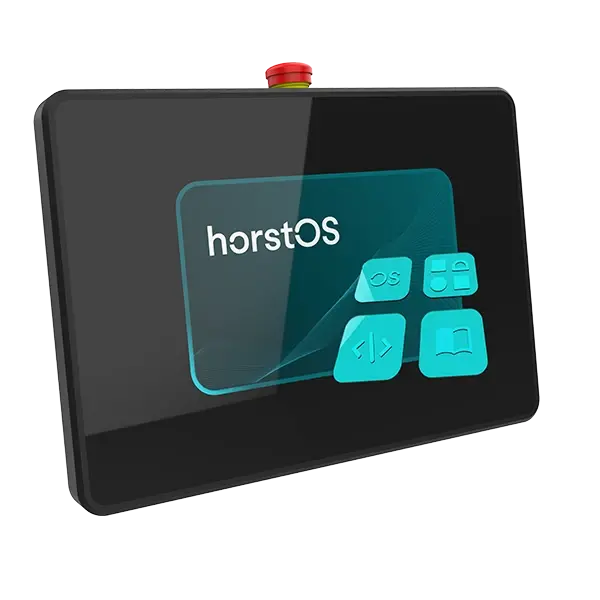
This approach has since been systematically refined. Today, specialized agents work together in the Intelligence Layer, trained using data from real-world applications and process knowledge. Using Vision-Language-Action (VLA) models, they process real-world input from vision and sensor systems as well as user input in natural language to plan processes, make decisions, and immediately translate these into actions through seamless integration into horstOS. This allows processes to be adapted in real time even as requirements change - making flexible, adaptive automation and, consequently, Physical AI applications usable in practice.
“This development is the result of a systematic build-up over several years. We have been working on this architecture layer by layer since 2023 - from language to action based on a complete architecture. PLEXA Core 2.0 is the result of more than 1,000 real-world automation solutions as a data foundation and several years of consistent development,” says Jens Riegger.
Availability and Webinar: PLEXA One is now available for planning in initial customer projects. In the webinars on June 10, 2026 (11:00–11:45 a.m.) and June 11, 2026 (3:00–3:45 p.m.), fruitcore robotics will present PLEXA One as well as the new robot models HORST600 G2 and HORST800 G2 in detail and highlight specific application prospects.
Register at www.fruitcore-robotics.com/en/live-webinar-industrial-humanoid-platform